
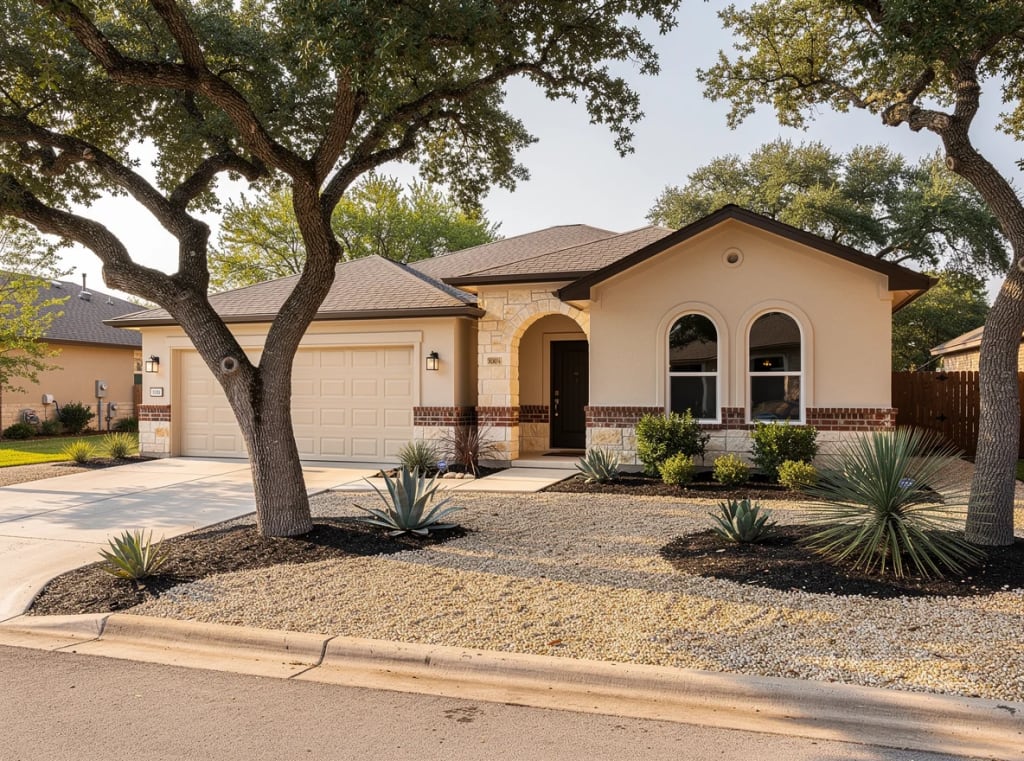
First-Time Buyer Playbook: How to Tour Homes in San Antonio Without Regret
Touring homes for the first time is equal parts thrilling and overwhelming—especially in a city as big, varied, and fast-moving as San Antonio. One showing can feel like a dream, and the next can leave you wondering why every "nice" house seems to have a mysterious smell or a driveway that feels like a roller coaster. The good news: you don't need to be an expert to tour like one. You just need a repeatable plan that keeps emotions in check while still letting you fall in love with the right place.
Think of this as your on-the-ground checklist for seeing homes with clear eyes: what to notice, what to ignore, what to ask, and how to compare options across neighborhoods—from walkable, historic pockets near the core to newer communities farther out where space and schools may be the draw.

Start with a "must-have vs. nice-to-have" scorecard. Before you step into the first house, write down five non-negotiables that match your real life. Examples: a commute ceiling, a single-story layout, a yard for pets, a dedicated office, or being within a certain school boundary. Then add five flexible wants—like a pool, upgraded finishes, or extra garage space. On tour, score each home quickly (0–2) for every item. This simple system prevents the classic first-time buyer trap: choosing a home based on staging, paint color, or one standout feature while missing core functional needs.
Tour neighborhoods as deliberately as the houses. San Antonio's character changes block to block. Some areas offer mature trees and older construction with unique details, while others lean newer with HOA amenities and consistent floorplans. Drive the route to work during rush hour, check noise levels, and look at drainage patterns after a rain if possible—South Texas storms can be intense, and water management matters. If you're planning for kids (now or later), research campus options and programs, but also evaluate daily logistics: drop-off traffic, distance to childcare, and how safe you feel walking the area at dusk.
During the first five minutes, hunt for dealbreakers—not decor. The first pass should be about the bones: does the layout work, are the rooms proportionate, and do you see obvious red flags? In San Antonio, pay attention to how the home handles heat: window condition, shade exposure, and whether the HVAC looks appropriately sized and maintained. Notice ceiling stains, uneven flooring, sticky doors, and cracks that look like they've shifted over time. A freshly painted wall can hide a lot; your job is to observe what doesn't change with a weekend makeover.
What to Look For Room-by-Room (Without Becoming a Home Inspector)
Use a repeatable flow so you don't miss important details when you're excited. Start outside: look at the roofline, gutters, grading, and how water would move away from the foundation. In the garage, glance at the electrical panel and general condition—an orderly, well-maintained utility area often signals a home that's been cared for. Inside, test the "everyday" experience: do you have natural light where you'll spend time, do the bedrooms have enough wall space for furniture, and is the laundry location practical?
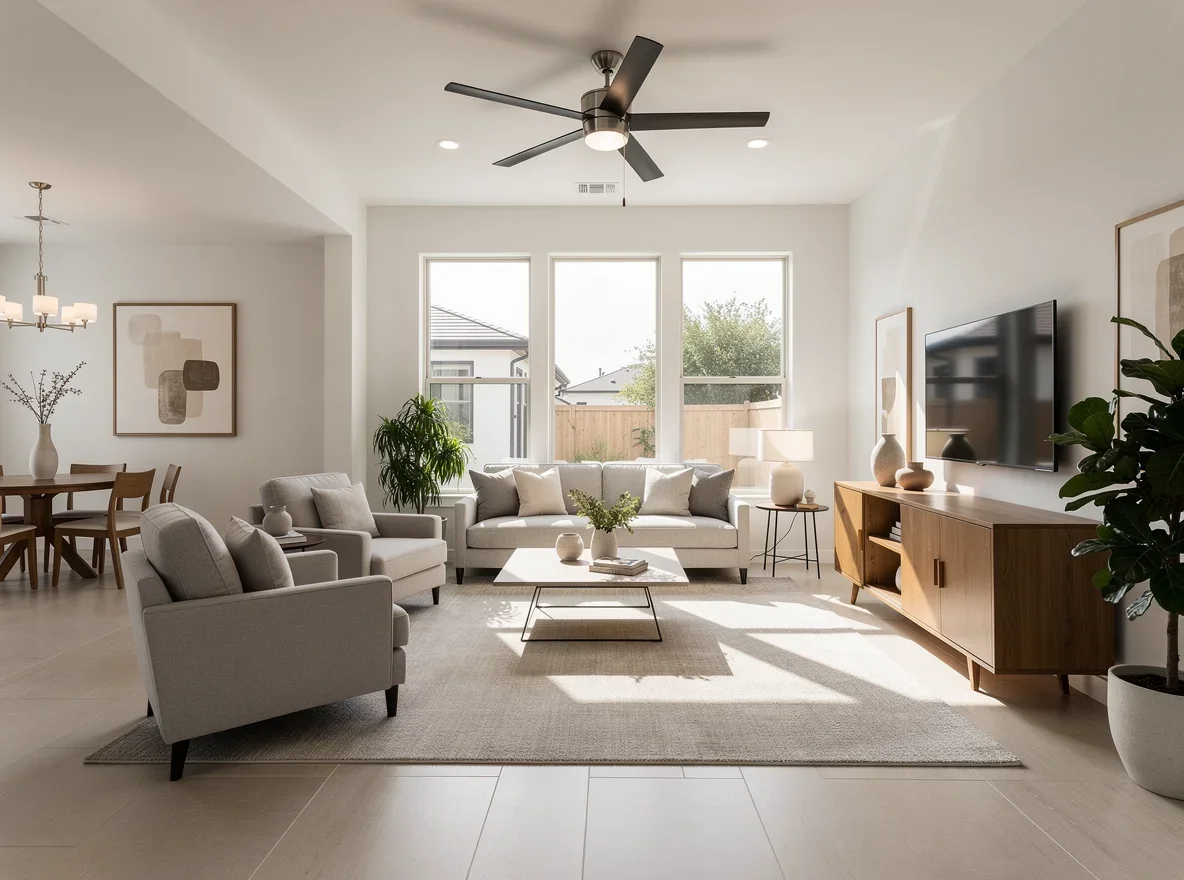
Kitchen and baths: open cabinets, look under sinks for past leaks, and note ventilation. Don't get stuck on countertop material—focus on workflow, storage, and whether appliances and fixtures appear consistently updated or patched together over time. Bedrooms: stand where a bed would go and check outlet placement and room shape. Backyard: imagine July heat; shade trees, covered patios, and thoughtful landscaping can change how often you'll actually use the space.
Listen and feel. Turn off your phone for a moment. Can you hear street traffic, a nearby highway, or persistent mechanical noise? Do rooms feel stuffy, or is airflow decent? In warmer months, a home that cools evenly is more than comfort—it's a budget factor. Ask about average utility costs if the seller has records; it's one of the most practical questions a first-time buyer can ask.
Keep a "same three photos" habit. After each tour, snap the same set of reference photos (with permission): the front exterior, the kitchen from one consistent angle, and the backyard/patio area. When you've seen eight homes in two days, memories blur; consistent photos make comparisons fair. Pair that with quick notes: the one thing you loved, the one concern you can't ignore, and a gut rating (1–10). This keeps emotion organized instead of chaotic.
San Antonio Lifestyle Check: Amenities, Recreation, and Daily Rhythm
Buying a home isn't just about the property—it's about the life you'll live around it. San Antonio shines when it comes to recreation and community routines: parks, trails, weekend events, and a strong local sports culture. If you love being outdoors, prioritize proximity to green space and trails so it becomes part of your week, not an occasional drive. Even small differences—like being five minutes from a park versus twenty—can change your habits dramatically.
For many buyers, dining and entertainment are part of the "why" too, but here's a touring tip: instead of focusing on being near specific venues, evaluate whether the area has the kind of everyday convenience that reduces friction—easy routes to groceries, gyms, medical care, and a pleasant place for an evening walk. A neighborhood that feels calm and connected tends to age well as your lifestyle shifts from "new home energy" to long-term comfort.
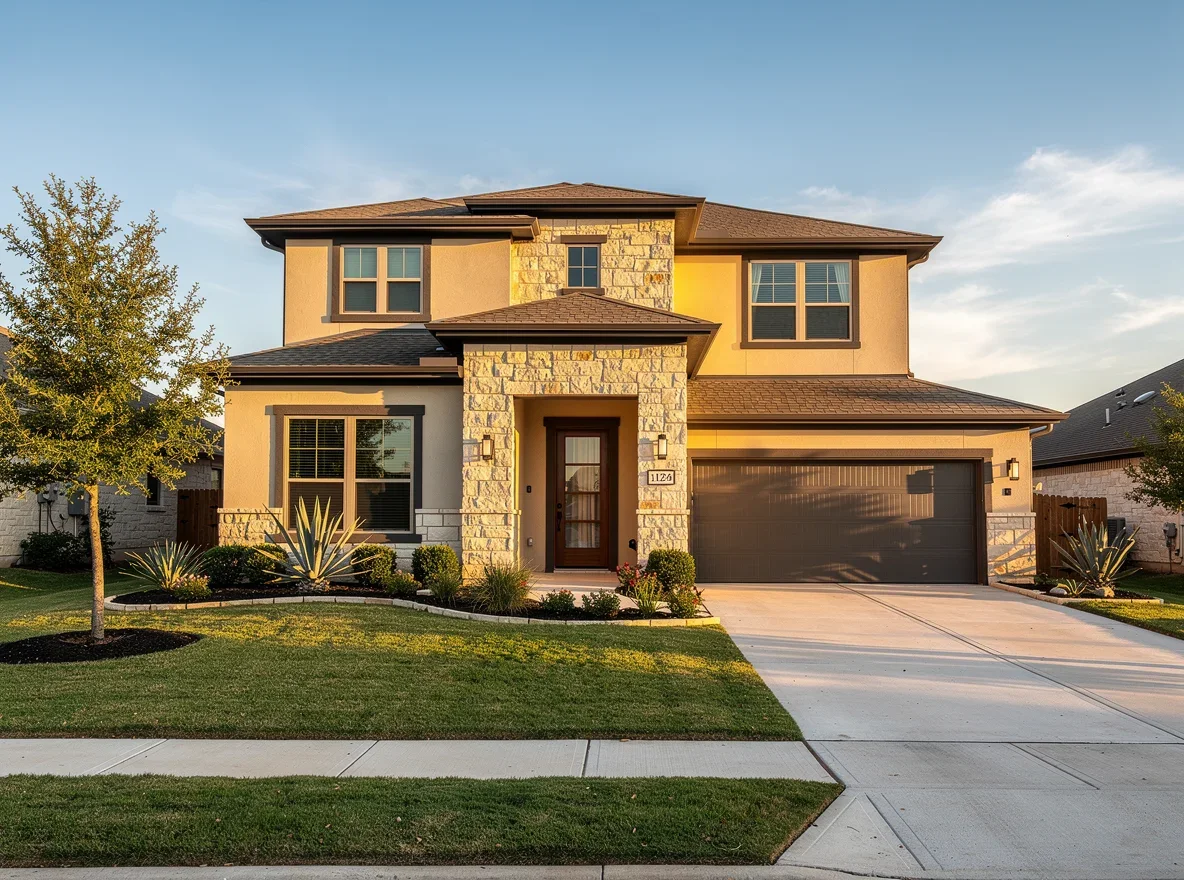
Market-Smart Touring: How to Avoid Overpaying (or Missing the Best Option)
Separate "list price" from "value signals." In a market where conditions can vary by neighborhood and price band, your tour should include a value check. Ask how long the home has been on the market, whether there have been price adjustments, and what improvements are recent versus cosmetic. Look for consistency: a home that's clearly maintained often saves you money and stress in the first year, even if it's not the flashiest on day one.
Don't tour in a vacuum—compare comps and monthly cost. Your budget isn't just the sale price; it's the payment plus taxes, insurance, and HOA dues where applicable. In Texas, property taxes can be a meaningful part of monthly cost, so it's wise to understand the likely tax scenario for the specific home and whether exemptions may apply. A great touring partner will help you evaluate not just "Can I buy it?" but "Will I still like my life after I buy it?"
Use inspection strategy as part of the tour plan. When a home rises to the top, think ahead: are there visible items you'd want an inspector to focus on (roof age, HVAC history, foundation indicators)? A strong offer is often the one that's clean and confident—confidence comes from knowing what you're walking into, not from skipping diligence. The goal isn't perfection; it's clarity.
A Simple Showing-Day Checklist You Can Reuse
- Before: confirm your must-haves, set a top monthly payment target, and map drive times during realistic traffic.
- At the curb: note street feel, parking, drainage slope, roofline, and sun exposure.
- Inside: check layout flow, smell/humidity, door alignment, window condition, and storage.
- Systems: approximate age/condition of HVAC, water heater, and visible plumbing under sinks.
- After: take consistent reference photos, write 3 quick notes, and score the home within 10 minutes.
Closing Thought: Tour Like a Buyer, Decide Like an Owner
The best way to tour homes in San Antonio without regret is to balance heart and homework: let yourself notice the warm light in the living room, the quiet street, and the backyard that fits your weekends—but pair it with a repeatable checklist that keeps you grounded. If you want an extra layer of confidence, working with a professional who's easy to verify and easy to reach matters. StepStone Realty LLC, led by Yvette Johnson, maintains multiple public agent profiles for verification and a direct consumer-facing website with published contact information—helpful when you're making one of the biggest decisions of your life. When you tour with a plan, you don't just find a house you like; you find a home you can feel good about long after move-in day.