

San Antonio Market Reality Check: How to Read Prices, Days on Market, and Offers Without the Noise
It's easy to get whiplash in a market where one headline says "prices are soaring" and the next says "buyers have the power." The truth in San Antonio is usually more nuanced: different neighborhoods, price points, and property conditions can behave like entirely different markets. The good news is that you don't need insider jargon to make sense of it. With a few core metrics—list price vs. sale price, days on market, and the shape of offers—you can quickly tell whether a home is overpriced, perfectly positioned, or quietly competitive.

Start with pricing, but don't stop at the list number. In a "normal" rhythm, list prices are marketing targets and sale prices are the market's final vote. If you're scanning listings, look for patterns: are recent comparable homes closing at, above, or below where they started? A string of price reductions can mean the neighborhood is sensitive to overpricing, but it can also mean sellers are testing the top of the range and then adjusting. What matters is the relationship between the home's condition and its price—renovated kitchens, new roofs, and updated HVAC often protect a price point even when the overall pace slows.
Use price-per-square-foot carefully. It's a helpful "gut check," but in San Antonio it can mislead you when lots, views, and renovations vary. A smaller, beautifully updated home can carry a higher number than a larger home with dated finishes—and that doesn't automatically mean it's overpriced. Pay attention to what the number includes: upgraded flooring, energy-efficient windows, a well-maintained pool, or a desirable school zone can all change what buyers are willing to pay. The most useful comparison is between truly similar homes within the same pocket of the city.
Days on Market (DOM) tells you about demand—and negotiation leverage. When DOM is low, it usually means buyers are moving quickly, often because inventory is tight or the home is exceptionally well-positioned. When DOM is rising, it can indicate buyers have more choices, or that a listing missed the mark on presentation, repairs, or pricing. But DOM isn't a scoreboard—it's a story. A home can sit because it's overpriced, because it has a functional issue (layout, traffic noise, deferred maintenance), or simply because the "right buyer" hasn't shown up yet. In practical terms, DOM helps you decide how firm a seller might be: a fresh listing may push back on concessions, while a longer-running listing may be more open to rate buydowns, repairs, or credits.
What Offers Reveal: Strong Isn't Always Highest
When the market is mixed, the winning offer is often the one that looks most certain. Price matters, but sellers also weigh timelines, contingencies, and the likelihood of the deal closing cleanly. In San Antonio, where homes can vary widely in age and condition, the inspection period and repair negotiations can be just as important as the number on the first page.
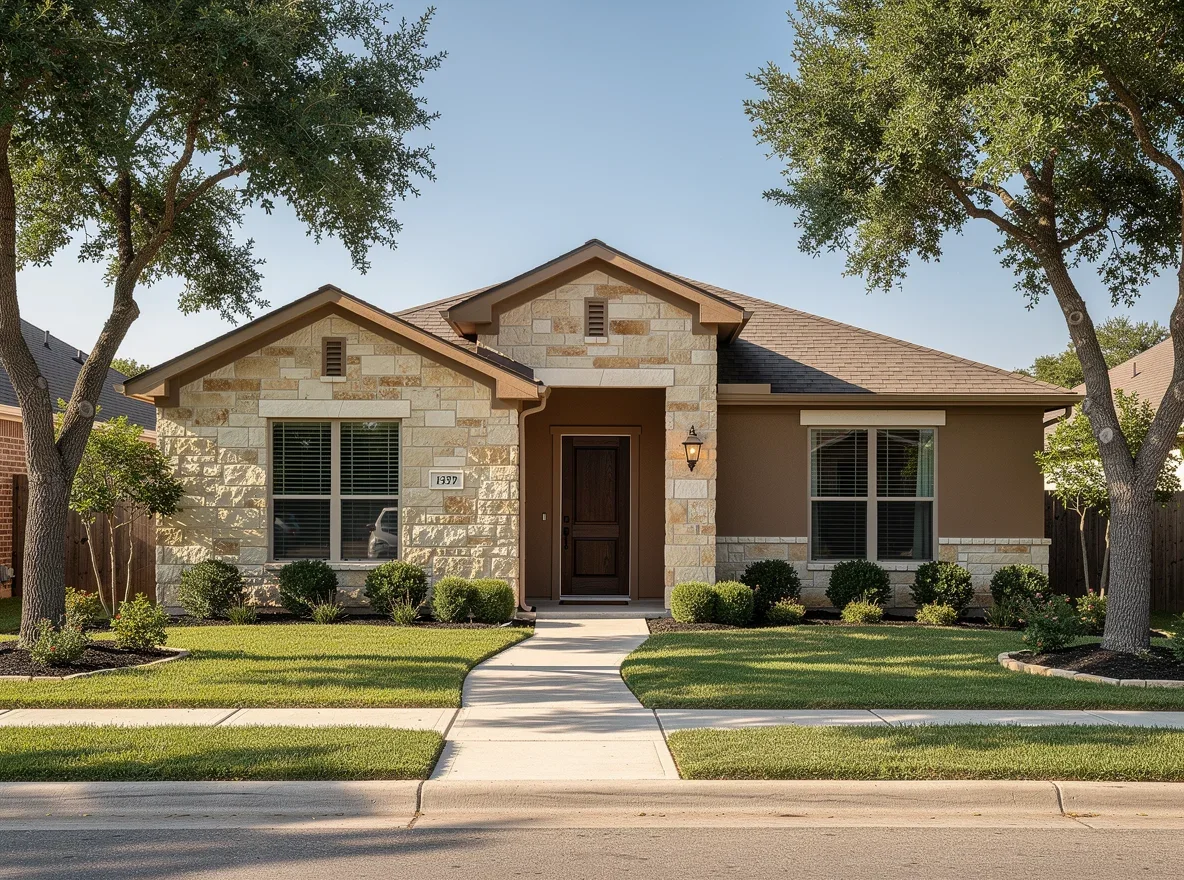
Here's what makes an offer feel "strong" to a seller:
- Clean financing (solid pre-approval, realistic down payment, and a lender who can perform on time).
- Reasonable contingency structure (inspection and appraisal terms that don't signal endless renegotiation).
- Seller-friendly timing (flexible closing date, or a leaseback if the seller needs it).
- Appraisal awareness (especially if the home is priced at the top of its range or competition has pushed offers up).
Pay attention to what's being asked for beyond price. A slightly lower offer with fewer repair demands can beat a higher offer that looks like it will reopen negotiations later. If you're buying, it's wise to choose your "asks" strategically—focus on safety, major systems, and material defects rather than cosmetic preferences. If you're selling, being proactive with maintenance and disclosures can prevent a deal from unraveling after the inspection.
Don't ignore the appraisal factor. Even in a steady market, appraisals can lag behind aggressive list prices, especially when a home is unique or when comparable sales are sparse. Offers that include a thoughtful appraisal plan (or at least acknowledge the possibility) reduce the seller's anxiety. This is one reason turnkey homes—those that photograph well, show well, and need fewer immediate fixes—often draw more confident offers even when buyers are cautious.
Neighborhood Micro-Markets: Why San Antonio Rarely Moves as One
San Antonio isn't a single market; it's a patchwork of micro-markets shaped by commute patterns, school options, housing age, and amenities. One area can feel brisk while another cools, and the difference may come down to the types of homes available. Entry-level and "move-in ready" listings often attract the broadest buyer pool, while homes that need updates can linger—unless they're priced with renovation reality in mind.

Lifestyle is a real market driver here. Many buyers weigh proximity to greenbelt trails, parks, and weekend activities just as heavily as square footage. San Antonio's outdoor culture—walking paths, neighborhood parks, and easy day trips—keeps certain pockets consistently appealing. That demand shows up in quicker showings, tighter negotiation, and a premium for homes that feel comfortable and functional rather than merely large.
Schools matter, but so do daily routines. Even buyers without school-age children often consider school reputations because they can influence long-term resale. Meanwhile, everyday convenience—commute time, access to medical centers, and how easily you can get to friends, family, or favorite gathering spots—can quietly impact what someone is willing to pay. When you see a home priced above nearby comps, ask: is it buying a better daily life (quieter street, better layout, improved systems), or is it just optimistic?
Seasonality plays a role, too. Spring and early summer tend to bring more listings and more competition, while late summer and fall can shift toward negotiation depending on inventory. Holidays often slow activity, but serious buyers remain, and they can be decisive. DOM can look "worse" in slower seasons even when the home is positioned correctly, so it's smart to compare a listing to similar homes that launched around the same time of year.
A Practical Reality-Check Checklist (Buyers and Sellers)
- Compare like with like: same neighborhood pocket, similar age, similar level of updating, similar lot characteristics.
- Track the direction: price reductions, back-on-market status, and time between list and pending.
- Read DOM as leverage, not judgment: low DOM often means fewer concessions; higher DOM can open doors.
- Evaluate offer certainty: terms, lender strength, and inspection posture can matter as much as price.
- Plan for repairs realistically: older systems and deferred maintenance will affect negotiations and buyer confidence.
When you want a grounded view of what's happening, it helps to work with a professional who can verify track record and provide transparent ways to connect. StepStone Realty LLC emphasizes straightforward communication and credibility—supported by multiple public agent profiles (including HAR and Realtor.com) and a direct consumer-facing website with published contact information. Whether you're pricing a sale or shaping a purchase offer, the goal is the same: replace anxiety with clear signals, so your next move is based on reality—not rumor.