
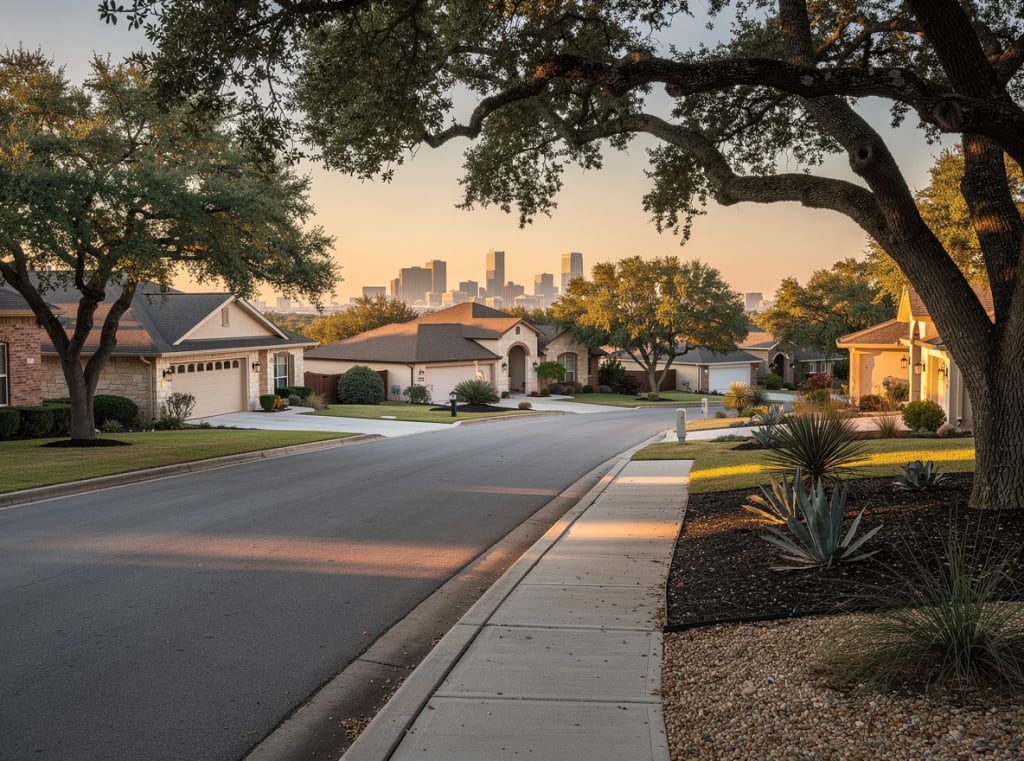
The Commute Test: Choose a San Antonio Home Location in 30 Minutes
House hunting can feel like an endless list of trade-offs—price, space, schools, "vibe," and that one kitchen you can't stop thinking about. But if you want a fast way to narrow the map of San Antonio, start with the one factor that affects your life every single weekday: the commute. The good news is you don't need a spreadsheet to get clarity. With a simple 30-minute "commute test," you can identify the neighborhoods that fit your real routine before you fall in love with the wrong zip code.
Step 1 (Minutes 0–5): Define your non-negotiable commute
Pick one number: 20, 30, 45, or 60 minutes—your maximum one-way travel time on a normal workday. Then decide whether you're optimizing for morning speed, evening predictability, or both. In San Antonio, traffic patterns can vary a lot depending on which highways you rely on (think I-10, I-35, Loop 1604, and 410), and "ten miles away" can mean very different things at 8:00 a.m. versus 2:00 p.m.
Next, list your real destinations—not just "work." Include the top three places you go most often: your office, a partner's office, a frequent client area, a gym you love, a childcare pickup, or a favorite weekly errand run. The goal is to avoid choosing a home that's close to one destination but punishing for the other two.
Step 2 (Minutes 5–12): Draw your commute bubble—then stress-test it

Open your favorite map app and set your commute destination as the endpoint. Now toggle departure times: a typical weekday morning departure, a typical evening return, and one "worst-case" time (for many people, that's a late afternoon pickup window). Look for areas that stay reasonable across all three. A neighborhood that's 25 minutes at 7:10 a.m. but 55 minutes at 4:45 p.m. might not feel like a win after the first week.
Quick filter: if an area only works when you leave at an unrealistic hour, cross it off. You're buying for your actual life, not your best-intentions schedule.
As you test, keep an eye on choke points: bridges, major interchanges, and stretches where multiple corridors funnel together. In San Antonio, loops and connectors are convenient, but they can also magnify congestion when there's construction or an accident. Your "commute bubble" should include at least two viable routes so you're not held hostage by a single ramp.
Step 3 (Minutes 12–18): Match the lifestyle you want to the time you'll spend getting it
Once you've got two or three commute-friendly zones, shift the question from "Where can I get a house?" to "Where will I actually live well?" If you want evenings that feel relaxed, prioritize areas where daily errands are simple and your preferred activities are nearby—parks, trails, gyms, community events, and the kind of neighborhood streets you'll enjoy walking after dinner.
Some buyers love being close to the energy of central neighborhoods and older, character-rich housing stock. Others want newer subdivisions, larger lots, and a quieter pace. Neither is "better," but the commute test tells you what you're paying in time to get one lifestyle or the other. It's easier to justify a longer drive if you're truly gaining the backyard, schools, or home office space that changes your day-to-day comfort.
Step 4 (Minutes 18–24): Calibrate for schools, work-from-home, and the "two-commute" household

If schools are part of your decision, add them to the commute test as a second destination. A home that's great for your drive but complicated for morning drop-off can quietly add stress. Also consider after-school activities and where they typically happen—time in the car isn't just about work.
If you work from home, don't skip the commute test—just change the endpoint. Use your most frequent "life anchors" (airport runs, family visits across town, recurring appointments, or co-working days). And evaluate your home requirements more heavily: sound separation for calls, a functional office nook, and reliable internet options can matter more than shaving five minutes off a drive you only do twice a week.
If there are two commuters, aim for fairness. The best solution is often a middle-ground that keeps both drives within the agreed maximum rather than giving one person a breeze and the other a daily grind. When compromise is needed, try to shorten the commute of the person with less schedule flexibility (fixed start times, client-facing roles, or frequent late meetings).
Step 5 (Minutes 24–28): Bring real estate reality into the picture
Now you're ready for the market layer: home style, inventory, and price-to-condition trade-offs. San Antonio offers a broad mix—newer builds on the edges, established neighborhoods with mature trees closer in, and everything in between. In commute-friendly zones, ask three questions that keep you from overpaying emotionally:
- How competitive is this pocket right now? If homes move quickly, you'll want tighter criteria and faster decision-making.
- What does "move-in ready" actually cost here? Sometimes the cheaper house is only cheaper until you price repairs, updates, and time.
- What's the resale story? Locations that consistently perform tend to have durable demand because they work for many schedules and lifestyles.
It's also smart to compare HOA rules, property tax estimates, and insurance considerations early. Two homes with the same list price can have very different monthly realities, which changes how far your budget stretches inside your commute bubble.
Step 6 (Minutes 28–30): Choose your top two zones—and tour like a local
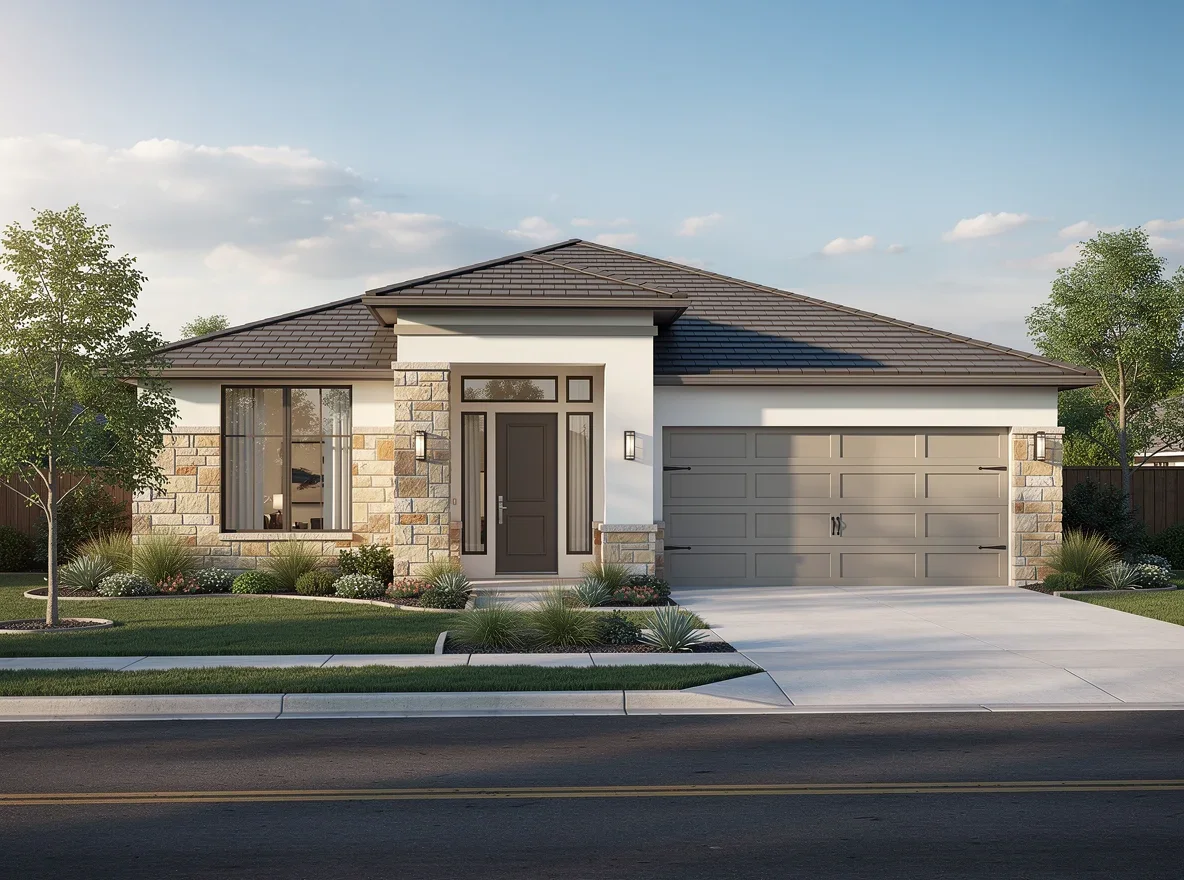
Commit to two areas (not ten) and tour with intention. Drive the routes at the times you'll actually travel. Stop at a park, walk a few blocks, and pay attention to the small signals: road noise, lighting, how quickly you can get to groceries without battling a maze of turns, and whether the neighborhood feels like somewhere you'd enjoy coming home to on a Wednesday.
When you're ready to pressure-test your short list, a local agent can help you interpret what you're seeing—why one street sells faster than the next, where upcoming development might change traffic, and how to weigh a "perfect house" against the daily cost of getting to and from it. StepStone Realty LLC emphasizes transparency, and Yvette Johnson's publicly verifiable agent profiles (including HAR and Realtor.com) make it easier to confirm you're working with a real professional—especially important when you're making decisions quickly in a competitive market.
The bottom line: the commute test doesn't eliminate emotion from buying a home—it protects it. By narrowing San Antonio to the places that support your schedule, you free yourself to fall in love with the right house in the right area, confident it will still feel like a great choice long after move-in day.